

3D printing continues to prove that the boundaries of production exist only in our imagination. This time, technology has made a breakthrough in a field where traditional engineering would take years. The Dubai‑based company Leap 71 used its Noyron computational model to autonomously design a rocket engine, and then printed it using a 3D printer from copper. The result is an engine with a power output of 20,000 horsepower, created in just two weeks without any direct human involvement in the development.
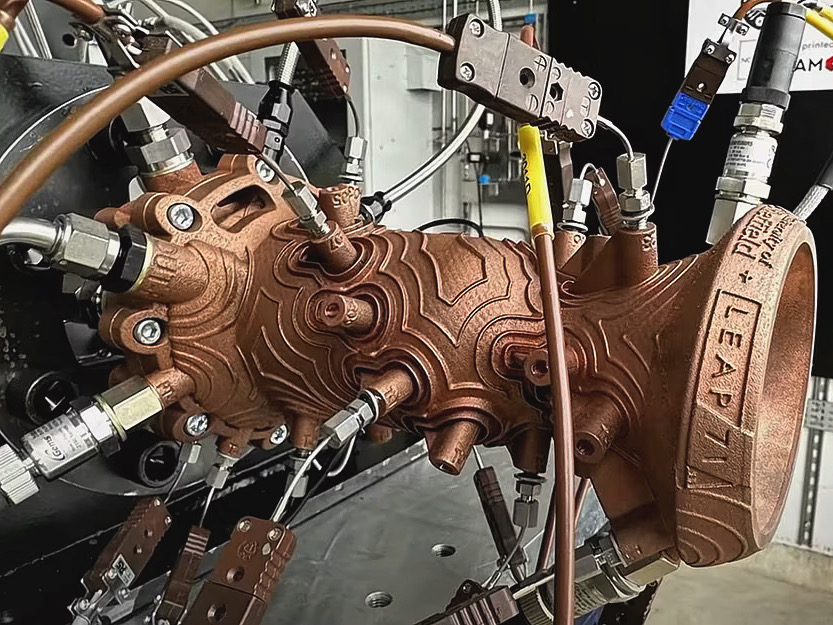
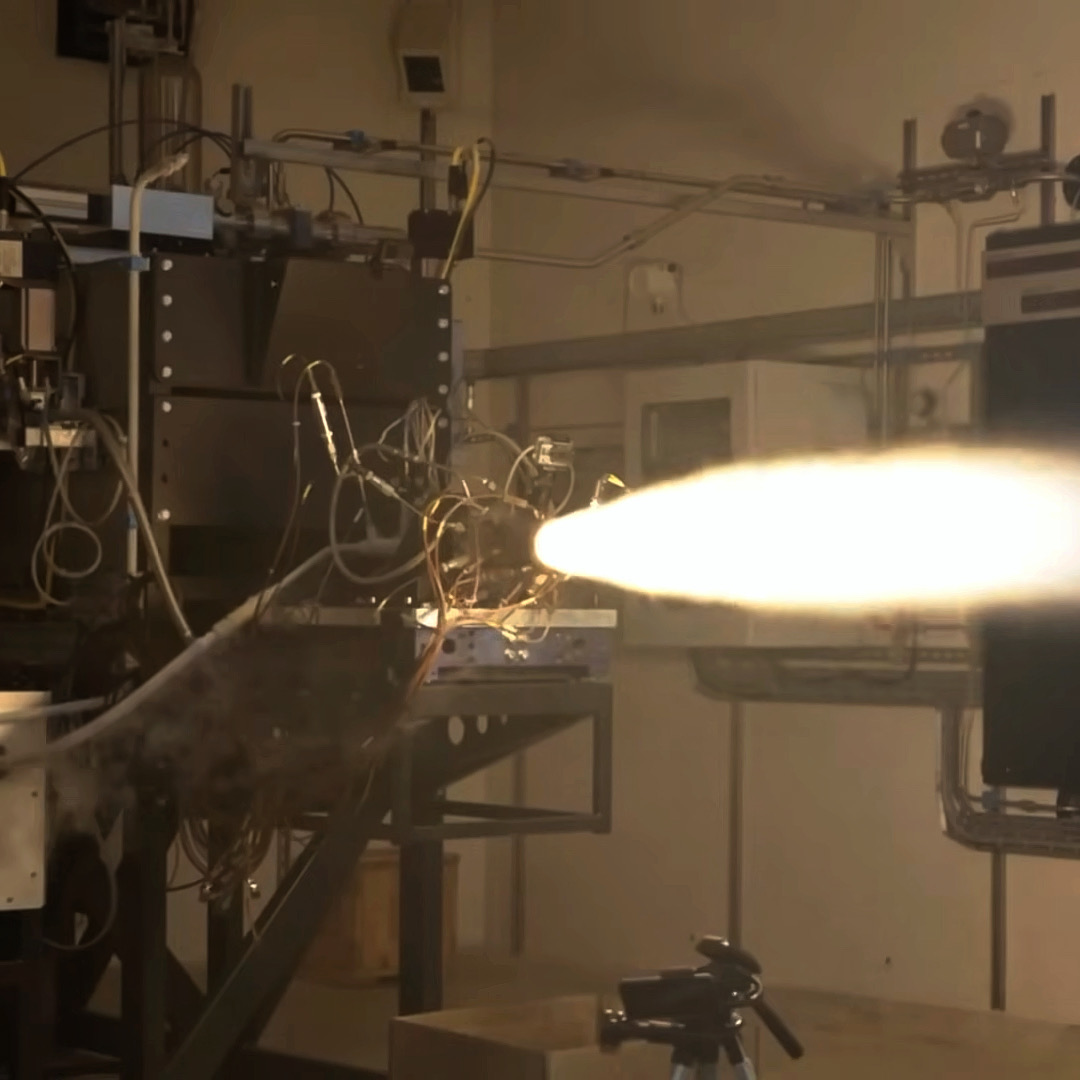
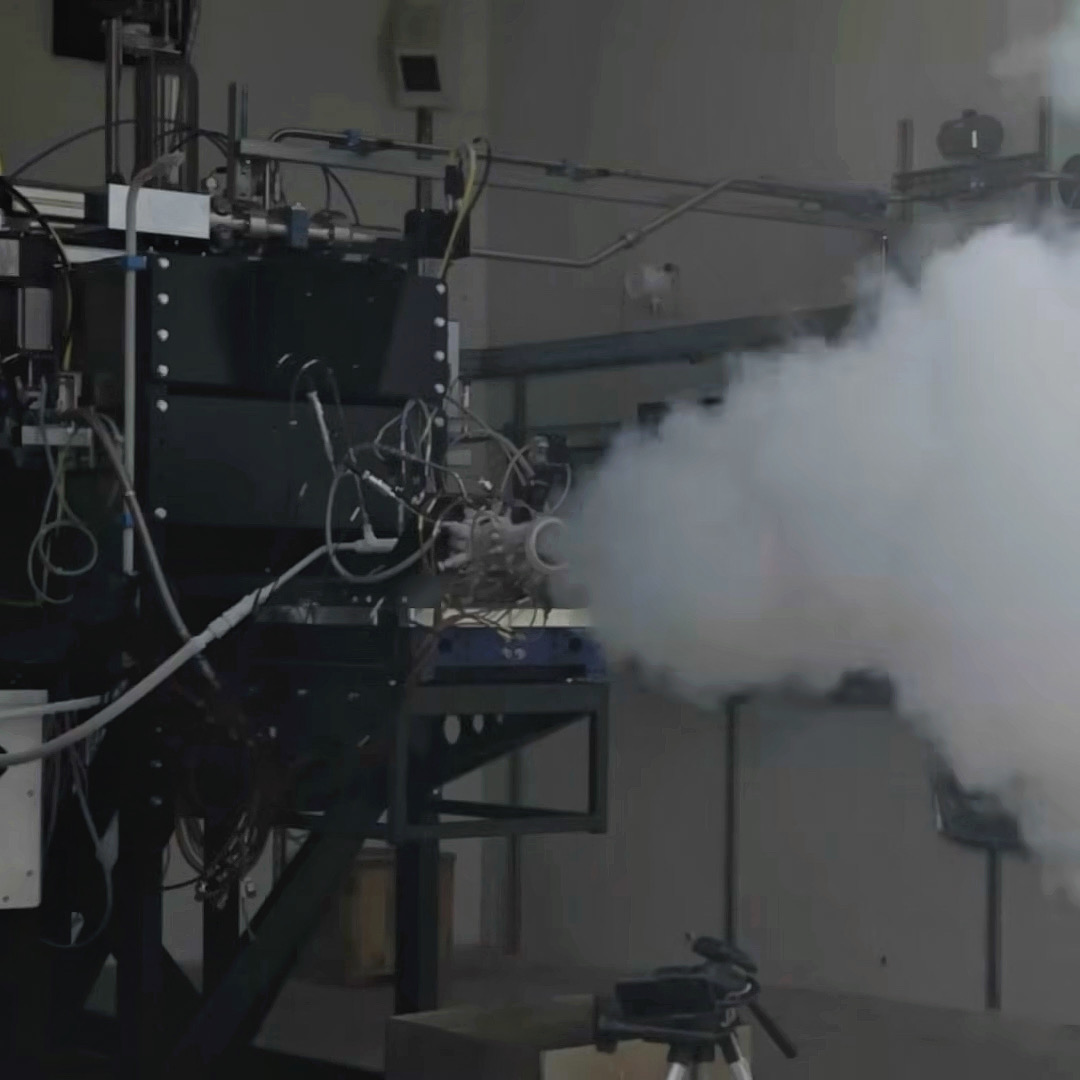
This is not just a beautiful story, but a demonstration of how 3D printing is integrated into the most complex production chains. AI generated the design, the German company AMCM printed it layer by layer, engineers from the University of Sheffield processed the part, and then the engine successfully passed tests with a full 12‑second burn. A typical project of this level requires months of manual work, endless drawings, and expensive prototypes. Here, however, iterations are created in a matter of minutes, and materialization goes directly from the digital file to metal.
For us, this is yet another confirmation of the main principle: 3D printing is not a way to make beautiful trinkets, but a full‑fledged tool for solving problems of any complexity. Where complex geometry is needed — geometry that cannot be achieved using classical methods — or where speed is important, the technology comes to the fore. We see how digital design and additive manufacturing are merging into a single process, blurring the boundaries between the idea and the finished product. The next step is to optimize cooling channels, and we are confident that this symbiosis of technologies will continue to surprise us with new possibilities.
Follow the news and the development of technologies with us.
Studia3D — we bring your boldest ideas to life.
Email: 3Dprint@studia3D.com
[source: shazoo.ru]






Автор: PR service Studia3D
Другие статьи от PR service Studia3D