

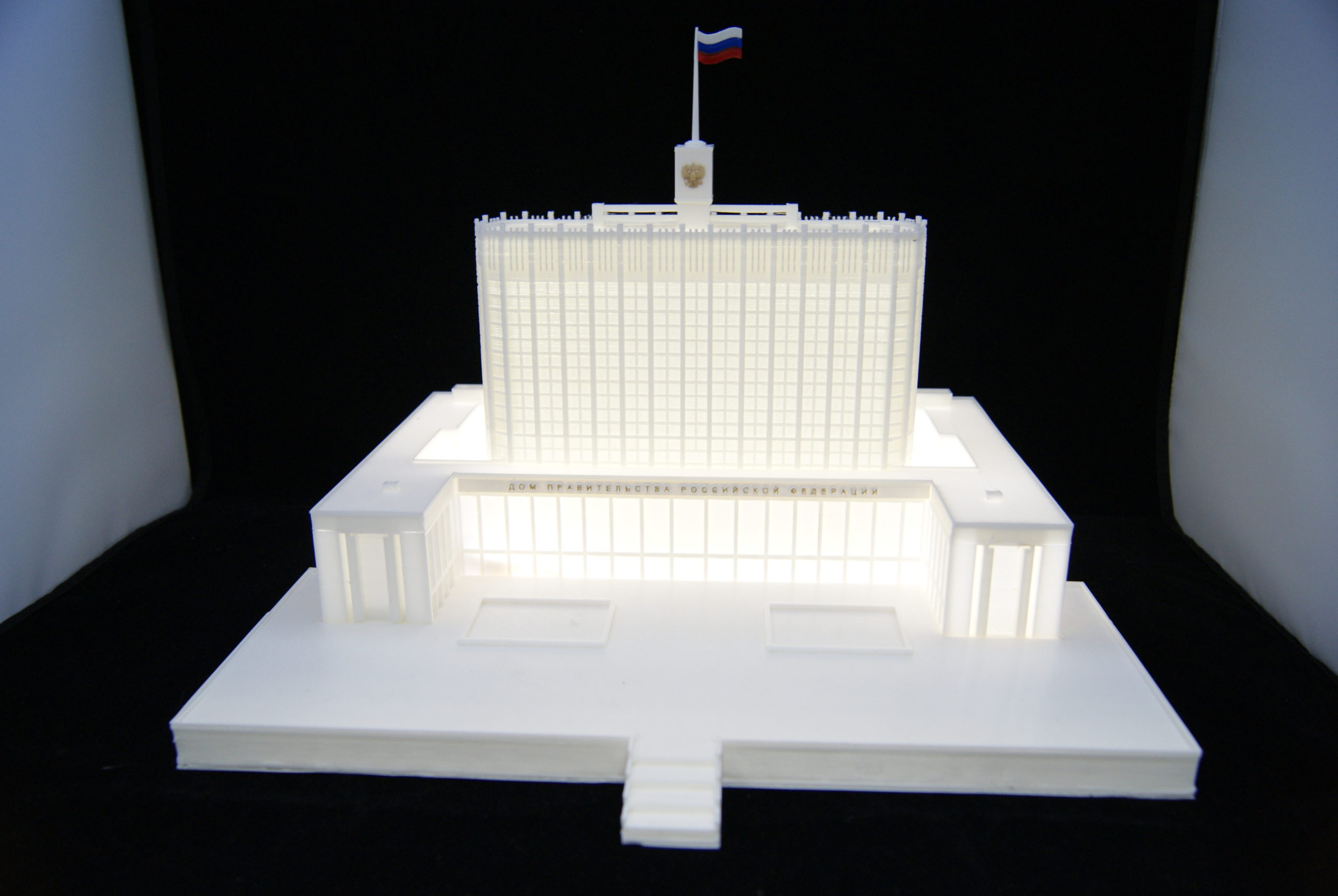
These decorative gates are a pure result of 3D printing. The snow‑white surface and complex interweavings, reminiscent of sea foam, were created thanks to additive manufacturing. Behind the apparent lightness lies a strict sequence in which 3D printing plays the main role.

Everything starts with a 3D model: we worked out every line and curve so that layer‑by‑layer synthesis would reproduce the shape without any loss.

Then comes the printing itself. The model is divided into segments, and the printer parameters are selected for each segment. Several machines work in parallel, performing 3D printing of the parts of the future gate layer by layer.

After printing, manual refinement is carried out: sanding, smoothing the joints, and priming. The surface must become perfect, with no trace of layer‑by‑layer origin. Only then is painting possible — it is at this stage that the plastic turns into something resembling porcelain.
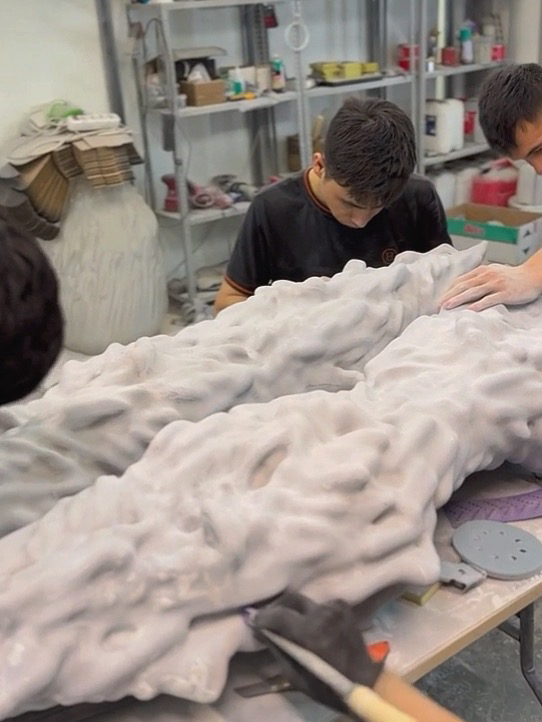
When assembled together, the printed segments form a cohesive form: the joints are hidden, the surface is flawless, and the complexity of the geometry highlights the skill of 3D printing.
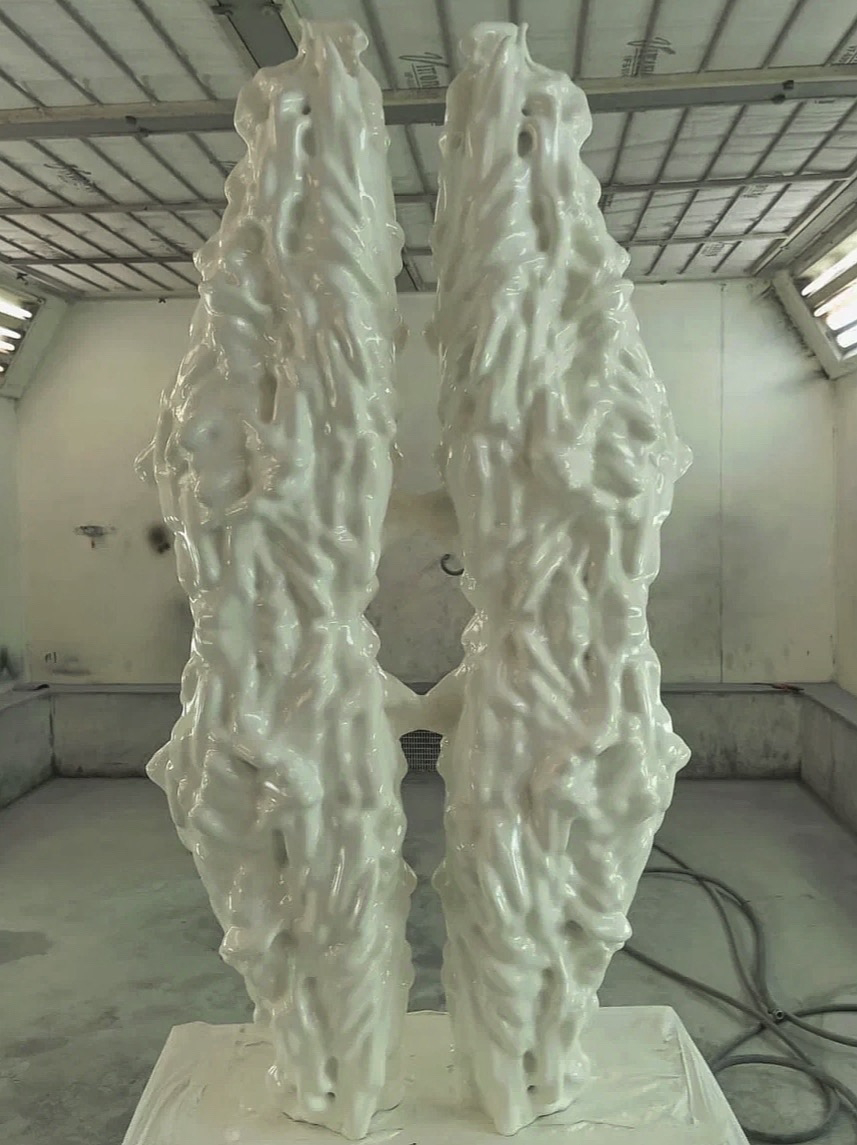
This project is an example of how 3D printing is no longer just a tool for prototypes. Where complex shapes and design freedom are needed, additive technologies open the door to a new dimension.
You can see the possibilities of 3D printing 👉 in our portfolio.
Studia3D — we bring your boldest ideas to life.
Email: 3Dprint@studia3D.com







Автор: PR service Studia3D
Другие статьи от PR service Studia3D